

Visual storytelling in sports marketing harnesses the emotional power of athletics to create compelling narratives that resonate with fans, drive brand engagement, and amplify marketing campaigns.
Unlike traditional advertising, this approach focuses on crafting authentic stories through images, videos, and other visual media that create meaningful connections with audiences.
By leveraging the inherent drama and passion of sports, brands can forge deeper relationships with fans while standing out in a crowded digital landscape.
What is Visual Storytelling in Sports Marketing?

A cyclist’s triumphant moment at sunset captures the essence of inspiration in sports marketing examples.
Visual storytelling in sports marketing involves using visual media to craft narratives that engage fans emotionally rather than simply promoting products or services. This approach transforms traditional advertising by:
- Highlighting athletes’ personal journeys and struggles.
- Showcasing a team’s history and legacy.
- Capturing the passion and dedication of fans.
- Converting complex data into visually compelling infographics.
- Creating immersive experiences across multiple platforms.
Unlike conventional marketing that focuses primarily on product features or benefits, visual storytelling creates memorable experiences by tapping into the universal appeal of stories, making brands more relatable and trustworthy.
Why Visual Storytelling Works in Sports?

Celebrating inclusivity with wheelchair tennis players demonstrating powerful sports marketing examples on the court.
Sports inherently contain elements that make for powerful storytelling:
- Emotional Engagement: Sports stimulate joy, heartbreak, and pride. Visual storytelling amplifies these emotions, creating lasting impressions.
- Brand Differentiation: In a competitive market, unique stories help brands stand out.
- Social Media Amplification: Visual content is highly shareable, increasing reach on platforms like Instagram, TikTok, and X.
- Fan Loyalty: Authentic stories build trust, strengthening the bond between fans and brands.
Research suggests that authentic, high-quality visuals paired with a clear narrative arc can build trust and loyalty, making fans more likely to engage with brands.
Types of Effective Visuals in Sports Marketing
Photos

Dynamic action in sports marketing examples as a basketball player shoots in front of an engaged arena crowd.
Sports photography freezes emotional moments that tell complete stories in a single frame:
- Action Shots: Capture athletes at peak performance, showcasing skill and determination.
- Emotional Portraits: Reveal the human side of sports figures beyond their public personas.
- Behind-the-Scenes Images: Document preparation, teamwork, and the unseen effort behind victories.
- Fan Reaction Photography: Illustrate the community impact and emotional investment in sports.
Photos provide immediate emotional impact and are easily shareable across platforms, making them perfect for both quick engagement and building brand visual identity.
Videos
Video content creates immersive narratives that develop deeper emotional connections:
- Documentary Narratives: Follow athlete journeys from struggle to triumph.
- Highlight Reels: Showcase exceptional performance moments with dynamic editing.
- Behind-the-Scenes Footage: Reveal authentic, unscripted moments that humanize athletes.
- Emotional Montages: Connect past and present through carefully curated visual storytelling.
Videos engage multiple senses simultaneously and hold attention longer than static content, allowing for more complex storytelling and emotional development.
Infographics
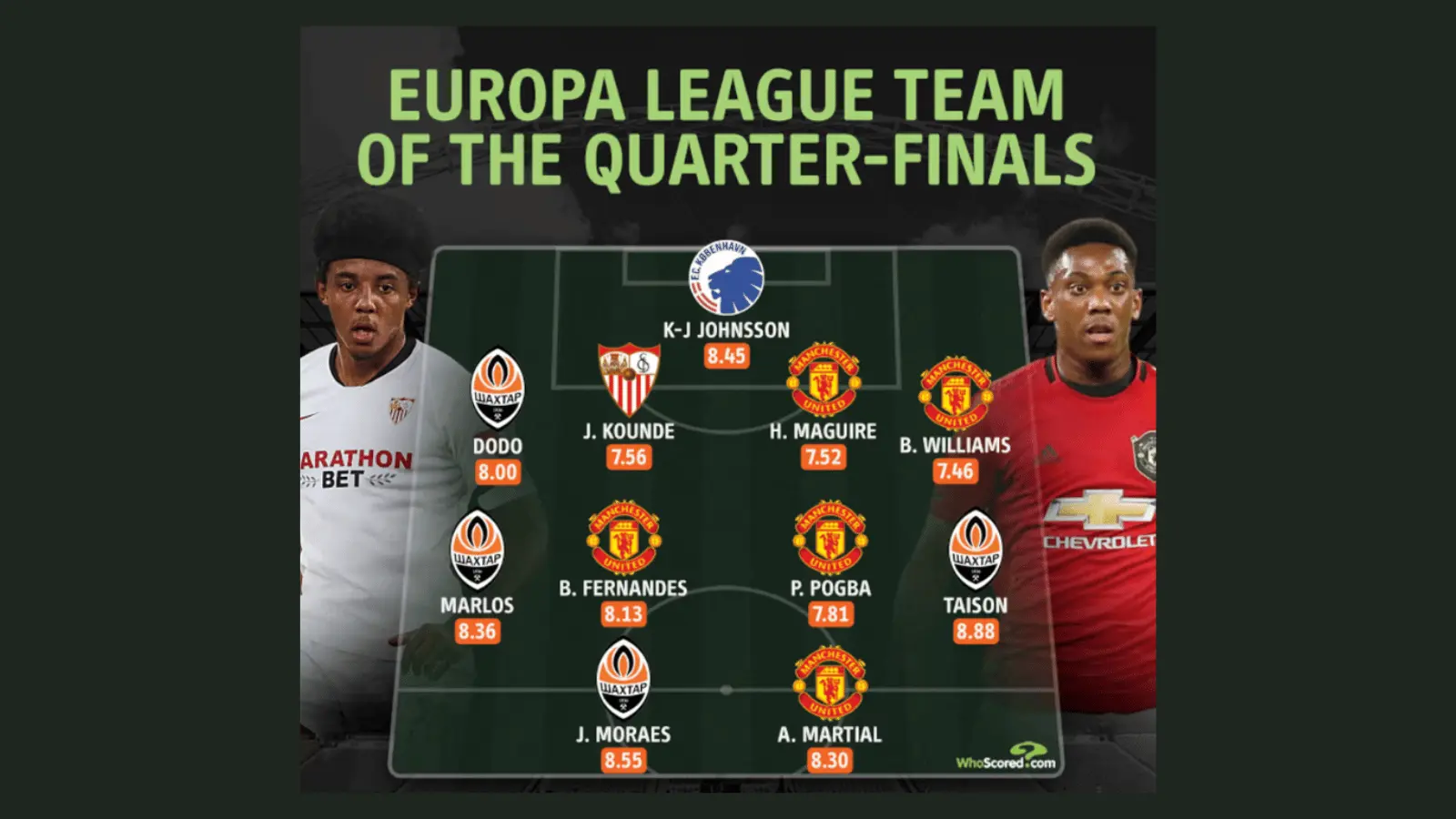
Highlighting standout performers like K-J Johnsson and H Maguire in the Europa League Quarter-Finals for impactful sports marketing examples.
Infographics transform complex statistics into visually compelling narratives:
- Performance Comparisons: Present player statistics through visually engaging designs.
- Team Achievement Timelines: Display historical milestones in easily digestible formats.
- Strategic Breakdowns: Simplify complex game plans through clear visual hierarchies.
- Fan Engagement Metrics: Visualize community impact through meaningful data points.
Infographics make complex information instantly understandable, satisfying both casual fans seeking quick insights and dedicated followers who appreciate analytical depth.
Animations
Animations explain complex sports concepts through simplified motion:
- Technical Play Breakdowns: Illustrate strategic movements without the distraction of live footage.
- Career Progression Timelines: Show athlete development through stylized animated sequences.
- Training Technique Visualizations: Demonstrate proper form through controlled motion graphics.
- Brand Story Animations:Create character-driven narratives that emphasize team values.
Animations can simplify complex concepts while maintaining complete creative control over the narrative, making them ideal for educational content that remains on-brand.
Motion Graphics
Motion graphics combine static design with movement to create visually compelling content:
- Branded Visual Overlays – Reinforce team identity consistently across various content types.
- Statistical Call-Outs – Emphasize key metrics through animated text and numbers.
- Kinetic Typography – Transform words into moving visual elements that capture attention.
- Transition Effects – Create seamless visual experiences between content segments.
Motion graphics add professional polish and brand consistency while improving viewer retention through constant visual stimulation.
Interactive Visuals
Interactive content transforms passive viewers into active participants:
- Customizable Data Dashboards: Allow fans to explore team statistics based on personal interests.
- Augmented Reality Experiences: Bring physical spaces and products to life through digital overlays.
- Virtual Reality Venue Tours: Create immersive pre-visit experiences of stadiums and facilities.
- Interactive Historical Timelines: Enable user-directed exploration of team legacies.
Interactive visuals create memorable two-way experiences that significantly increase engagement time and personal investment in the brand relationship.
How These Visuals Drive Marketing Success
The most effective sports marketing campaigns strategically combine these visual types across the customer journey:
- Awareness Stage: Photos and videos capture attention and create emotional connection
- Consideration Stage: Infographics and animations educate and build deeper understanding
- Decision Stage: Motion graphics and interactive visuals drive engagement and conversion
- Loyalty Stage: Personalized interactive experiences foster ongoing community participation
When selecting visual formats for your sports marketing strategy, consider both platform requirements and audience preferences to maximize engagement and conversion.
Top 10 Examples of Sport Visual Storytelling
Here are ten powerful examples of visual storytelling in sports marketing that demonstrate the range and impact of this approach:
1. Nike’s “Dream Crazy” Campaign (2018)
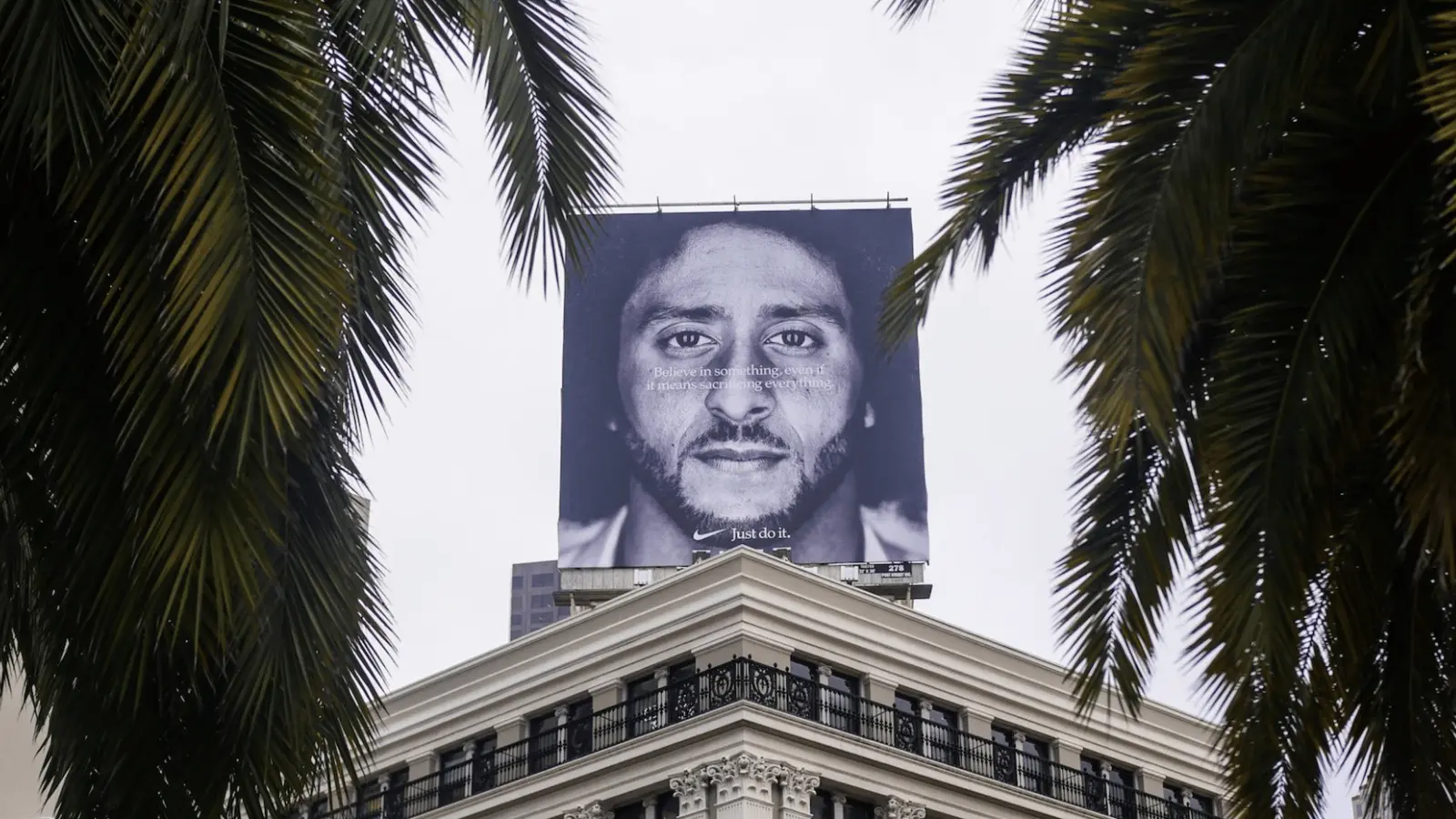
Nike’s bold “Believe in Something” billboard stands out as a prime sports marketing examples of impactful advertising.
Nike’s campaign featuring Colin Kaepernick used powerful visual montages of athletes overcoming adversity with the narration: “Believe in something, even if it means sacrificing everything.” The campaign:
- Aligned Nike with social justice issues, resonating with younger audiences.
- Featured stars like Serena Williams and LeBron James celebrating resilience.
- Generated over 5 million social media mentions.
- Led to a 31% increase in Nike’s stock price within weeks.
2. Under Armour’s “Rule Yourself” Campaign

Stephen Curry’s Under Armour ad emphasizes dedication and training in one of the best sports marketing examples of brand promotion.
This campaign highlighted Michael Phelps’ training sacrifices through raw, behind-the-scenes footage paired with the tagline: “It’s what you do in the dark that puts you in the light.” The emotional visuals and relatable narrative inspired fitness enthusiasts and boosted Under Armour’s brand perception.
3. Liverpool FC’s “This Means More”
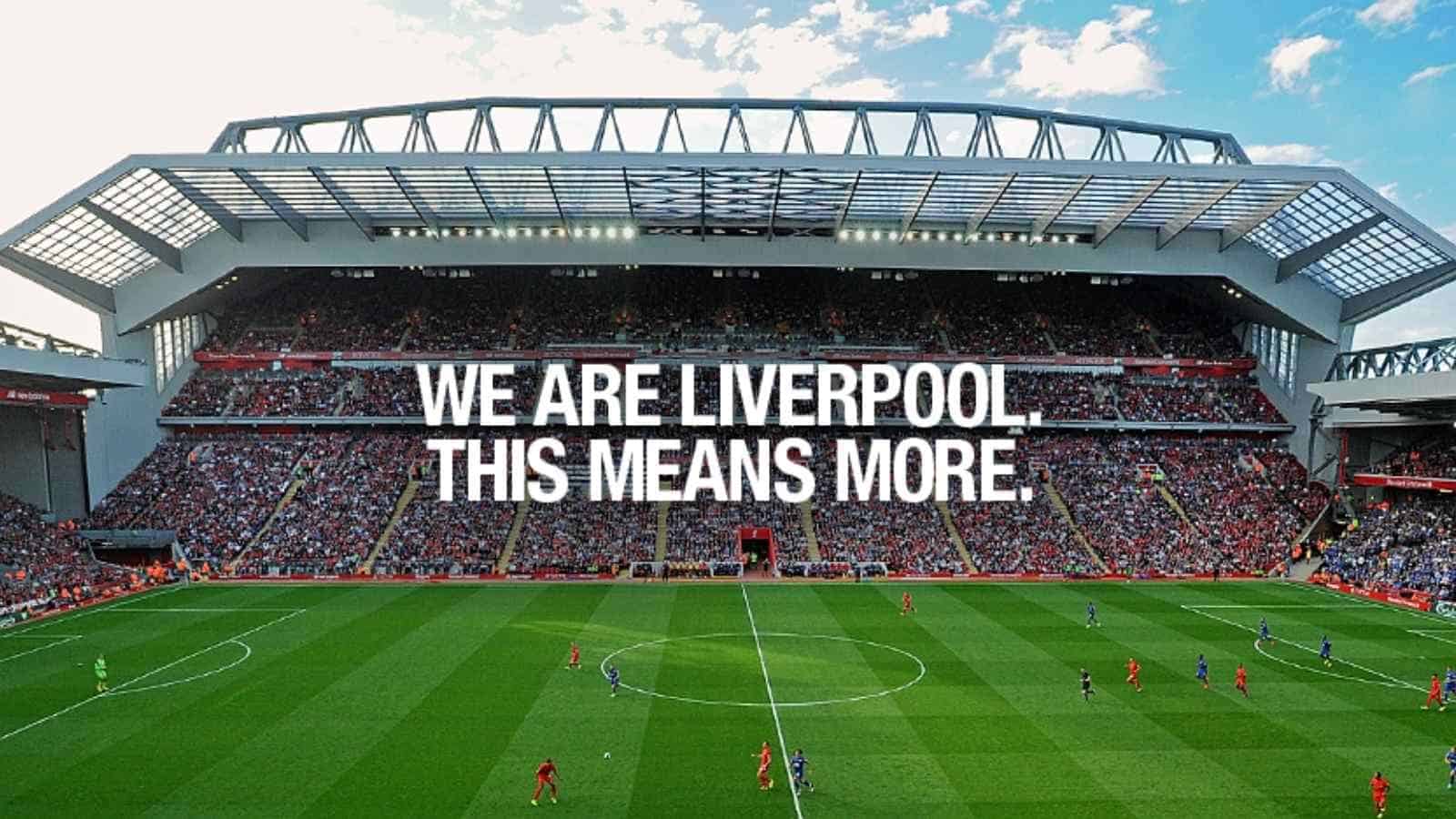
“We Are Liverpool This Means More” resonates with fans in a powerful display of sports marketing examples at the stadium.
Liverpool FC’s campaign used iconic moments, legendary players, and passionate fan reactions to emphasize the club’s emotional connection with its community. The narrative transcended the game, positioning Liverpool as a cultural institution while strengthening fan loyalty and enhancing the club’s global brand.
4. P&G’s “Thank You, Mom” Olympics Campaign

Capturing the heart of sports marketing examples with an emotional moment and the message of strength and support.
While not strictly sports marketing, P&G used the Olympics to tell stories of mothers supporting their children’s athletic dreams through emotive, visually distinct ads that highlighted the unsung heroes behind athletes. The campaign’s universal appeal and emotional storytelling connected with diverse audiences and increased brand affinity during the Olympics.
5. NBA’s “This Is Why We Play” Campaign
Celebrate the passion of basketball with the NBA This Is Why We Play campaign a stellar sports marketing example.
The NBA created a series of emotionally charged videos showcasing basketball’s impact beyond the court, featuring stories of how the sport unites communities, inspires youth, and transforms lives. The campaign used authentic, documentary-style footage of both NBA stars and everyday players, reinforcing basketball’s global relevance and cultural significance.
6. Gatorade’s “Win From Within” Series
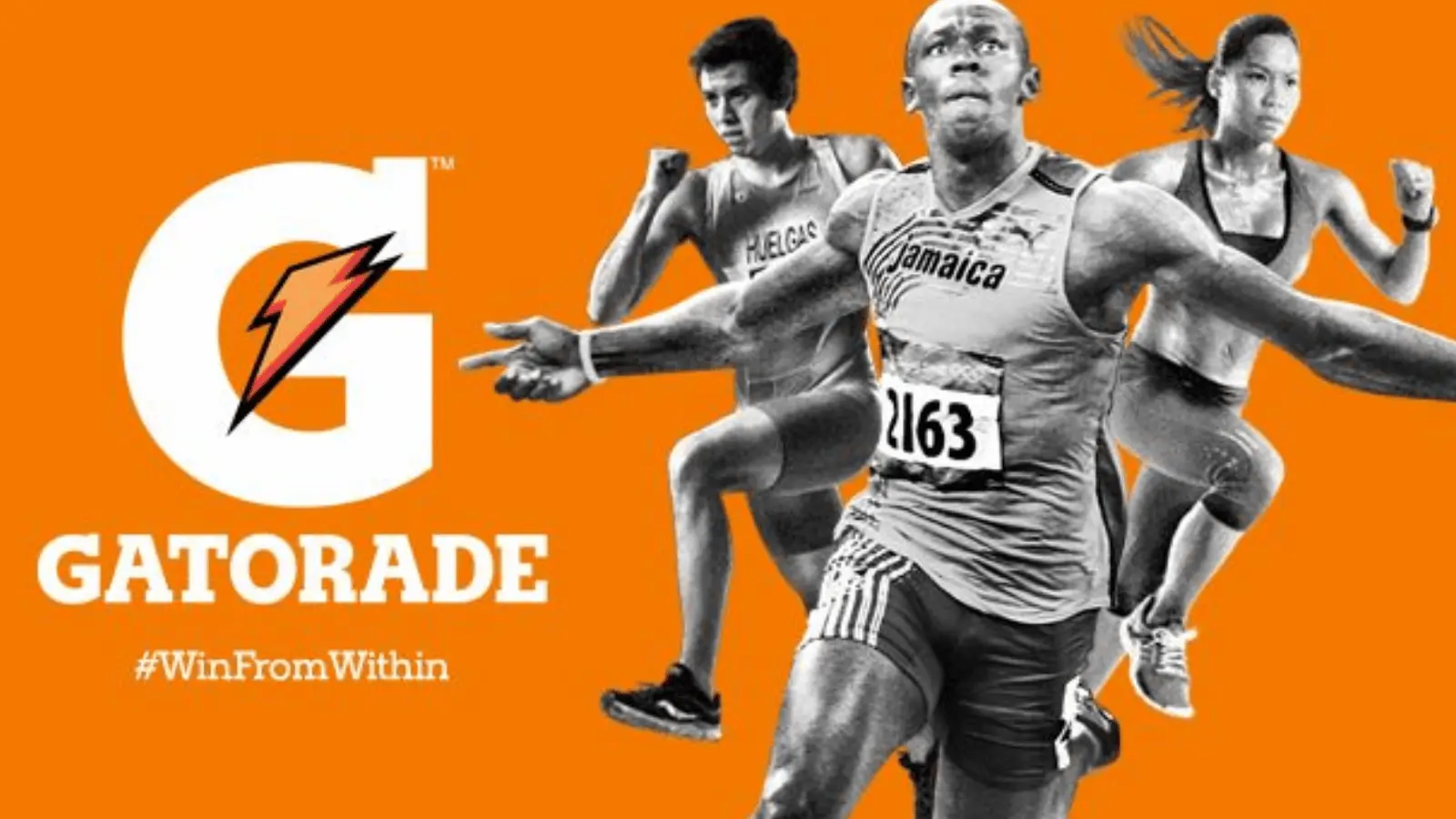
Fuel your victory with Gatorade Win From Within campaign an inspiring sports marketing example for athletes.
Gatorade’s campaign featured athletes like Serena Williams and Usain Bolt through visually striking videos that explored their internal motivations and mental strength. The series used intimate cinematography and personal narratives to show how champions overcome internal barriers, connecting Gatorade with athletic excellence on a deeper psychological level.
7. ESPN’s “There’s No Place Like Sports” Campaign
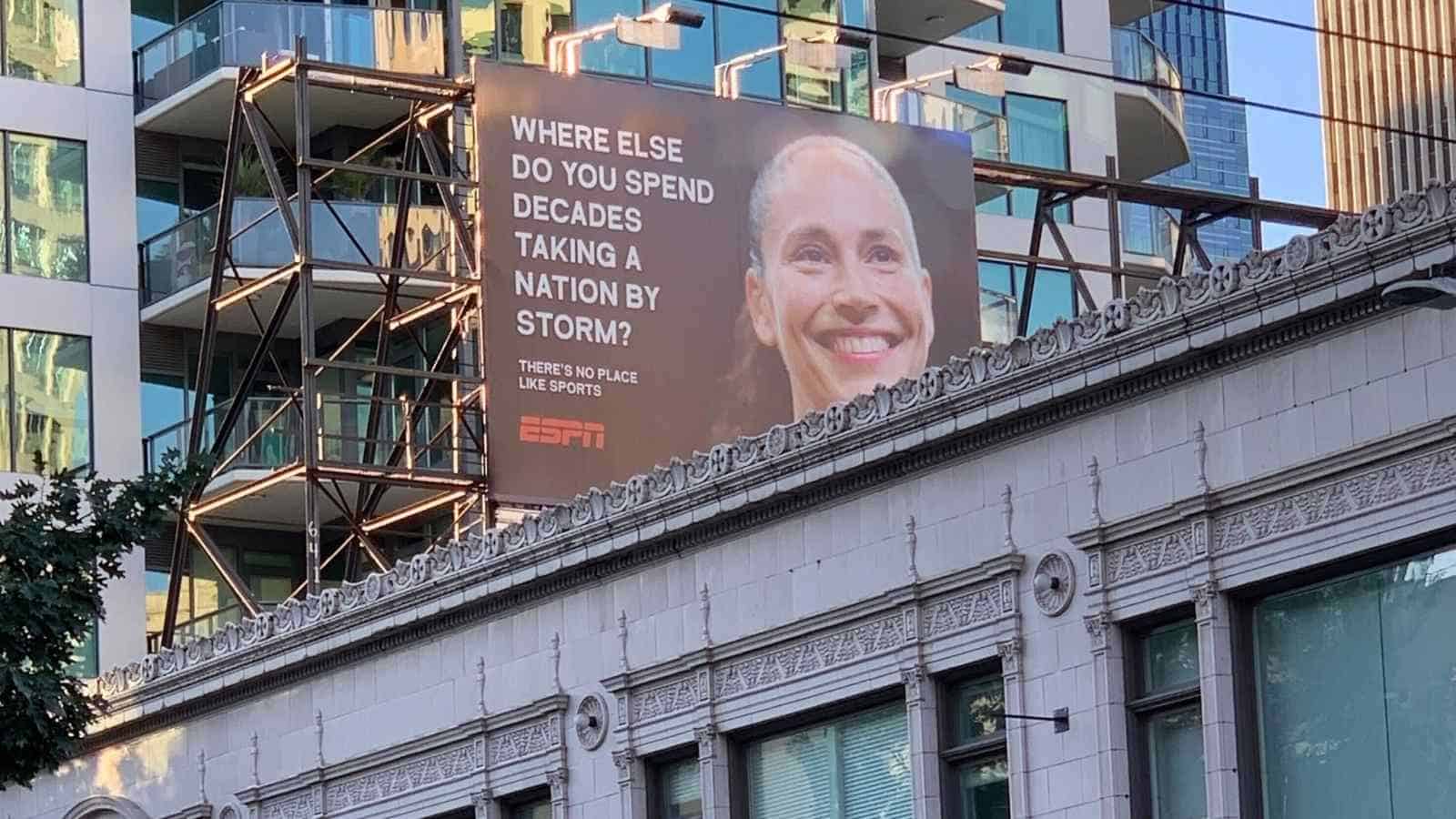
Capture the spirit of sports with ESPN iconic billboard a bold sports marketing example for fans everywhere.
ESPN crafted compelling visual narratives highlighting unexpected, emotional moments in sports that transcend the games themselves. Using high-quality footage of authentic reactions from athletes and fans during pivotal moments, the campaign emphasized sports’ unique ability to unite people and create shared cultural touchpoints.
8. Adidas’ “Impossible Is Nothing” Campaign

Push beyond limits with Adidas Impossible Is Nothing campaign a powerful sports marketing example for athletes.
This long-running campaign showcased athletes like Muhammad Ali and Lionel Messi through a combination of historical footage and contemporary visuals. The storytelling focused on overcoming seemingly insurmountable obstacles, with striking visual contrasts between moments of struggle and triumph that resonated with both serious athletes and casual fans.
9. The NFL’s “Football Is Family” Campaign

Feel the unity with the NFL Football Is Family campaign a heartfelt sports marketing example for fans.
The NFL used intimate, behind-the-scenes footage of players with their families to humanize athletes often seen only in helmets and pads. The emotional visual storytelling showed how football creates bonds across generations, with touching moments between parents, children, and communities that expanded the NFL’s appeal beyond the traditional fan base.
10. New Balance’s “We Got Now” Campaign
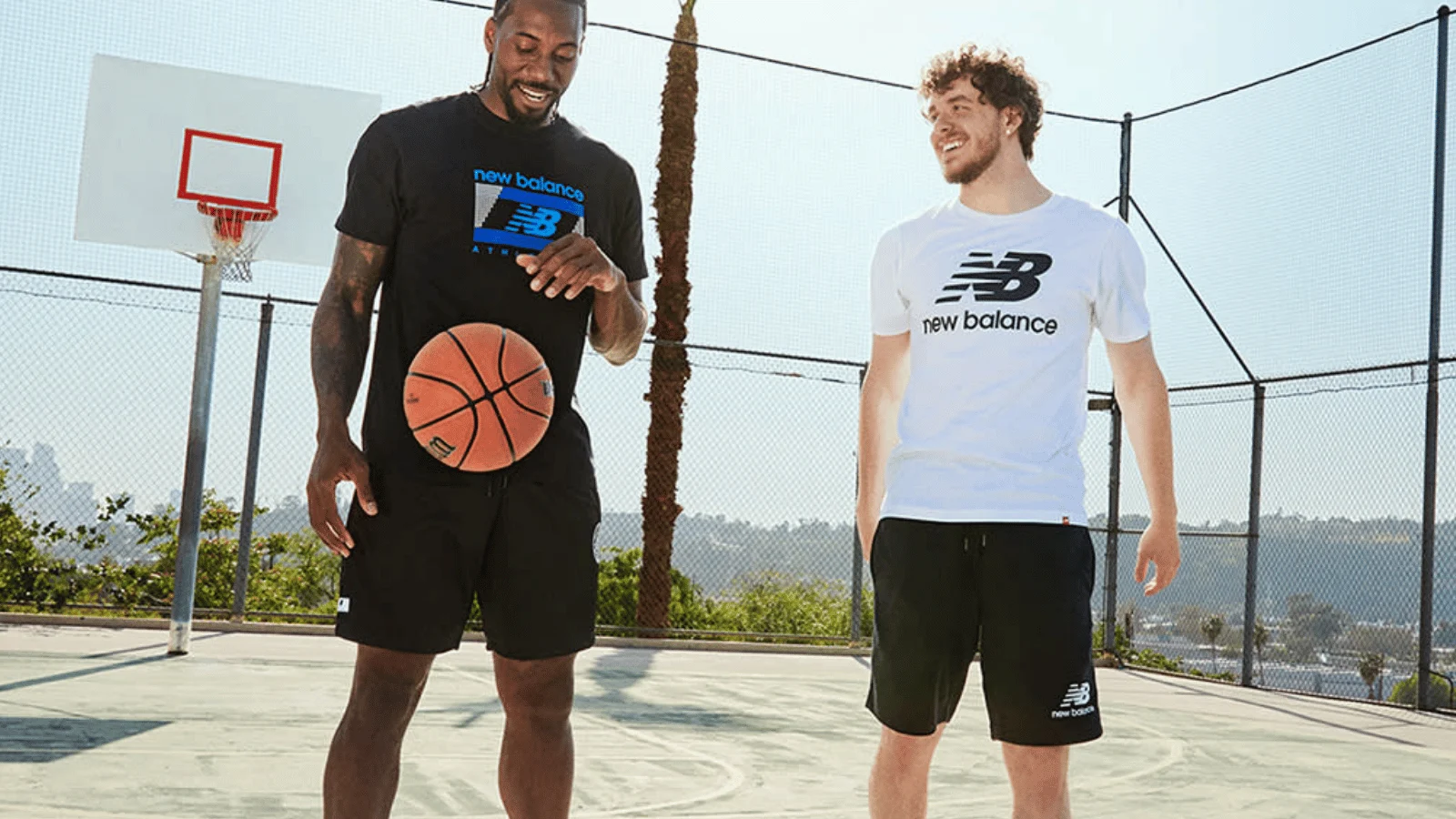
Dominate the court with New Balance gear a classic sports marketing example for basketball enthusiasts.
The campaign’s distinctive aesthetic paired bold typography with energetic cinematography to position New Balance as the brand for the next generation of athletes, resulting in significant growth among younger demographics.
Conclusion
In sports marketing, visual storytelling does more than grab attention—it creates genuine emotional connections. It brings fans closer to the moments they love, reminding them why they cheer, cry, and believe. When done right, it turns a brand into part of the story—part of the passion.
If you’re ready to bring that kind of impact to your brand, we invite you to partner with Innovature Studio. We specialize in expert photo and video editing, ensuring that your story stays authentic and beautifully told. Because your brand deserves more than automation—it deserves heart.
FAQs
Why Is Storytelling Important in Sports Marketing?
Storytelling is powerful in sports because it humanizes the brand and deepens fan engagement. It creates emotional resonance, builds trust, and helps audiences feel part of something bigger—whether it’s a team, a player’s journey, or a brand’s mission within the world of sports.
What Are the Four Parts of Visual Storytelling?
The four key parts—or pillars—of visual storytelling are authenticity, sensory appeal, relevancy, and archetype.
- Authenticity ensures the story feels real and emotionally honest.
- Sensory elements (like color, texture, and movement) create immersive experiences.
- Relevancy makes sure the content resonates with the audience’s values and interests.
- Archetype gives the story structure by using familiar character roles, like the hero or the underdog, to make the message more relatable and memorable.
What Are the 4 Domains of Sports Marketing?
The four domains of sports marketing are theme-based, product-based, alignment-based, and sports-based strategies. These categories help marketers distinguish between promoting sports products and non-sports products, and whether they use traditional marketing or leverage sponsorships and partnerships to align with sports culture and fan engagement.