
In this article, we delve into a world where creativity meets precision, offering insights into the diverse techniques and tips that elevate Architectural Photography. From mastering the use of specialized lenses to understanding the nuances of lighting and composition, this exploration aims to guide both enthusiasts and professionals in unlocking the full potential of their Architectural Photography pursuits, resulting in stunning shots that tell captivating visual stories.
What is Architectural Photography?
Architectural Photography is a specialized genre that revolves around capturing the essence and beauty of buildings, structures, and cityscapes through the lens of a camera. It encompasses the art of photographing both exteriors and interiors of various architectural wonders, including bridges and other urban landmarks. The primary goal of Architectural Photography is to highlight the design, form, and unique characteristics of buildings, showcasing the creativity and vision of architects.
Numerous photographers are dedicated to the craft of Architectural Photography, approaching it either as a form of artistic expression or as a professional career. Those who pursue it as a profession often find employment with architecture firms, advertising agencies, and magazines, contributing their skills to visually communicate the significance and aesthetic appeal of architectural projects. The field requires a keen eye for detail, an understanding of composition, and the ability to capture the essence of a structure in a compelling way.
Whether one is an aspiring professional or an enthusiast looking to enhance their photography portfolio, having the right equipment is crucial. The choice of camera, lenses, and other accessories can significantly impact the quality and outcome of architectural photographs. Aspiring architectural photographers often invest in wide-angle lenses to capture expansive exteriors and interiors, ensuring that the intricate details and grandeur of the architecture are effectively conveyed through their images.
Exploring Different Styles of Architecture Photography
Exterior Architecture Photography
Exterior Architecture Photography is a captivating branch of the discipline that revolves around capturing the outer structure and facade of buildings. This subset of Architectural Photography aims to showcase the visual impact and design elements that define a structure from the outside. One of the advantages of capturing exteriors is the abundance of natural light available, making it relatively straightforward to photograph the building’s external features.
The success of Exterior Architecture Photography is often influenced by prevailing weather conditions, as they contribute to the overall atmosphere and mood of the photograph. For instance, a bright and sunny day might emphasize the vibrancy of colors and textures, while overcast or dramatic weather conditions can add a dynamic and compelling element to the composition. Photographers often leverage the interplay of light and shadow to highlight architectural details and create visually striking images that convey the unique character of the building.
Interior Architecture Photography
Interior Architecture Photography is a specialized area within the field that focuses on capturing the aesthetic and functional aspects of a building’s interiors. Unlike Exterior Photography, this genre presents a unique set of challenges due to the limited availability of natural light within the confines of a structure. The intricate play of light, shadows, and spatial arrangements in interior spaces requires careful consideration to effectively convey the design and atmosphere.
One of the primary challenges faced by photographers in this realm is the limited light available within the premises. To overcome this obstacle and ensure accurate representation, photographers often rely on supplemental lighting sources. This may involve using artificial lighting equipment strategically placed to illuminate specific areas or accentuate architectural details. The goal is to bring out the textures, colors, and design elements that define the interior spaces, allowing viewers to appreciate the craftsmanship and functionality of the architecture.
Interior Architecture Photography requires a keen understanding of composition and the ability to work with diverse lighting conditions. Photographers in this niche often experiment with different angles, perspectives, and focal lengths to capture the essence of a space effectively. By skillfully balancing light and composition, they can create visually compelling images that showcase the beauty and uniqueness of the interior design.
See more» 10 Tips to Elevate Your Interior Architectural Photography
Cityscape Photography
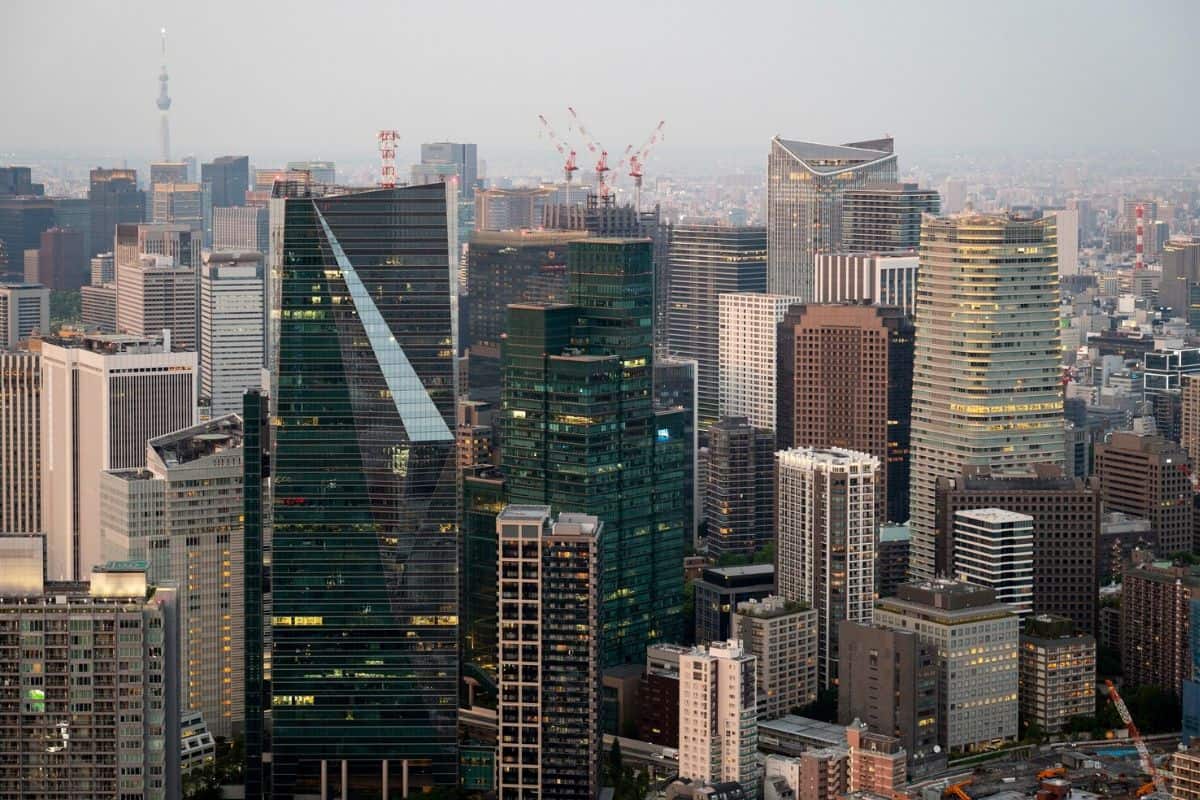
Cityscape Photography is a captivating genre that focuses on capturing dynamic and intricate urban environments, featuring a myriad of buildings, skylines, and architectural elements. This style of photography aims to showcase the structural landscape of a city, providing a visual narrative of how buildings, bridges, and skyscrapers interact and coexist within the bustling urban setting.
The essence of Cityscape Photography lies in its ability to convey the energy, rhythm, and personality of a city through its architectural features. Photographers in this genre often seek vantage points that offer expansive views, allowing them to capture the city’s skyline and the unique arrangement of its structures. The interplay of lights, reflections, and shadows within the urban landscape adds depth and visual interest to cityscape photographs.
Cityscape photographers often use a variety of techniques to create compelling images, including long exposures to capture the flow of traffic or the movement of clouds against a city backdrop. The time of day also plays a crucial role, with photographers leveraging the different qualities of natural light during sunrise, sunset, or the golden hour to enhance the mood and atmosphere of their cityscape compositions.
Skyscraper Photography
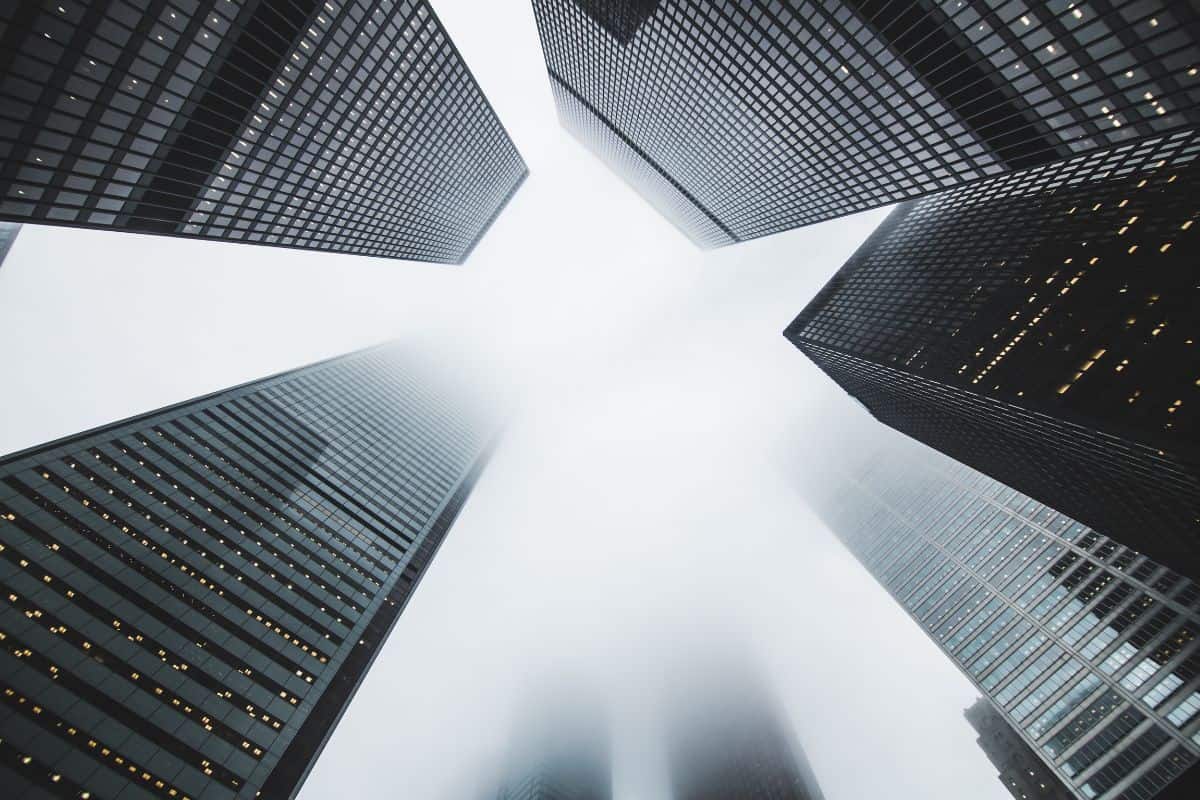
Skyscraper Photography is a specialized subset of Architectural Photography that revolves around capturing the grandeur and magnificence of skyscrapers. Focused on these towering structures, this genre aims to highlight the architectural brilliance and unique characteristics of skyscrapers, showcasing their height, design, and impact on the urban skyline.
One of the primary objectives of Skyscraper Photography is to convey the sheer scale and presence of these vertical marvels. Photographers often seek strategic vantage points to capture skyscrapers in their entirety, emphasizing their height and distinctive features. The play of light, reflections, and shadows on the sleek surfaces of skyscrapers adds an extra layer of visual interest, creating dynamic and captivating compositions.
Skyscraper photographers often experiment with various angles and perspectives to showcase the unique personality of each building. Whether it’s capturing the gleaming glass facades, intricate structural details, or the juxtaposition of skyscrapers against the sky, these photographers aim to evoke a sense of awe and admiration for these iconic landmarks.
Tips for Capturing Stunning Architecture Photography
Choose and Research the Location
Selecting the right locations is a crucial aspect of Architectural Photography, and there are various strategies to discover compelling subjects for your shots, especially in urban environments.
One effective approach is to start with buildings or structures that personally grab your attention or hold significance for you. This connection can infuse your photography with a sense of passion and purpose. However, if you’re seeking inspiration, consider focusing on shooting government buildings, museums, and historic landmarks. These structures often boast interesting and impressive architectural features, providing a rich canvas for your compositions.
Exploring old buildings can also yield captivating images. Well-maintained historic sites showcase classic architecture, while run-down or abandoned buildings tell a story of age and neglect, offering a different but equally intriguing perspective.
For a broader scope of inspiration, peruse examples of Architecture Photography from around the world. Studying the work of other photographers can provide fresh ideas and perspectives, helping you refine your own approach.
Get to Know Your Chosen Building
Getting to know your chosen building or structure is a crucial step in crafting meaningful and impactful Architectural Photography. Spending time familiarizing yourself with the subject enhances your understanding of its nuances, history, and unique features, providing valuable insights that can inform your photographic approach.
Start by physically exploring both the exterior and, if possible, the interior of the building. Take note of architectural details, angles, and lighting conditions that stand out. Familiarizing yourself with the building’s physical attributes allows you to identify potential focal points and compositions that highlight its distinctive features.
Additionally, delve into the historical background of the building through research. Learn about its construction, purpose, and any notable events or changes it has undergone over time. This historical context can offer a narrative thread for your photography, guiding your stylistic choices and influencing the overall mood of your images.
For instance, if the building has a rich and storied history, you might choose to experiment with black-and-white Architecture Photography. This stylistic choice can evoke a timeless and nostalgic atmosphere, bringing the viewer into a contemplative engagement with the building’s past.
Moreover, your research may unveil unique or interesting architectural features that you can spotlight in your photographs. Whether it’s an intricate facade, a distinctive pattern, or a hidden detail, showcasing these elements can add depth and character to your images, creating a visual story that goes beyond a mere depiction of the building.
In essence, investing time in getting to know your subject allows you to approach architecture photography with a more informed and intentional perspective, resulting in images that resonate on a deeper level with your audience.
Shoot a Various Times of Day
Shooting architecture at various times and in different weather conditions is a strategic approach to infusing diversity and dynamic elements into your photographs. Revisiting the site under different circumstances allows you to capture a range of looks and moods, contributing to a more comprehensive and visually engaging portfolio.
Consider shooting during the golden hours of sunrise or sunset to take advantage of warm hues, captivating window reflections, and elongated shadows. The interplay of light during these times can transform the building’s appearance, adding a touch of magic to your compositions. Alternatively, exploring the site at night opens up opportunities to capture the structure bathed in artificial lighting, creating a dramatic and visually striking atmosphere.

Embrace diverse weather conditions as well, as cloudy skies, snowfall, or rain-soaked surfaces can introduce unique textures and alter the overall mood of your photos. Don’t limit yourself to shooting exclusively on sunny days; instead, use inclement weather to your advantage, leveraging it to bring a distinctive and atmospheric quality to your architectural images.
Furthermore, observing how people interact with the building and its surroundings can add an additional layer of interest to your photographs. Different times of the day may see varied patterns of human activity, providing fresh opportunities to capture the dynamic relationship between people and architecture. By revisiting the site regularly, you can discover evolving photo opportunities and showcase the building in a dynamic context.
Explore Various Perspectives
Exploring new perspectives is key to elevating your Architectural Photography beyond standard shots and infusing creativity into your compositions. While capturing the exterior of a building in its entirety is a natural starting point, pushing boundaries and seeking unique viewpoints can result in more compelling and visually interesting architectural photographs.
Experiment with getting up close and focusing on a single detail to create abstract architecture photography. By isolating a specific element, you draw attention to its form, texture, and intricate design, offering viewers a fresh perspective on the building. Alternatively, try filling the entire frame with a large structure, blurring the boundaries between where the building begins and ends. This approach can create a sense of grandeur and abstraction, inviting viewers to appreciate the architectural details in a new light.
Venture inside the building to explore its interiors, capturing the play of light, shadows, and spatial arrangements. Interior shots can reveal the functionality and aesthetic appeal of the architecture from a different angle, providing a holistic view of the structure.
As you experiment with diverse perspectives, incorporate basic rules of photo composition to enhance the visual appeal of your images. Look for archways or openings that can frame your shot, adding depth and focus. Utilize the architecture itself to create leading lines, symmetry, and repetition of shapes, fostering a sense of balance and harmony in your compositions.
Breaking free from the conventional approach of capturing the whole building opens up a world of creative possibilities. Embrace the freedom to experiment with different angles and compositions, allowing your architectural photography to stand out with innovation and visual intrigue.
Include People in Architectural Photography
Integrating people into your Architectural Photography adds a human element that not only highlights the relationship between architecture and individuals but also injects vitality into your compositions. While the primary focus remains on the buildings, the inclusion of people provides context and narrates how these structures are utilized in everyday life.
Capturing the interaction between people and architecture can evoke a sense of scale and showcase the human experience within the built environment. Whether it’s individuals walking past a skyscraper, enjoying a public space, or engaged in an activity near a historic landmark, their presence in the frame creates a dynamic interplay that enriches the narrative of your architectural photographs.
In cases where people might be perceived as distractions, experimenting with long exposure techniques can offer an intriguing solution. Utilizing a long exposure allows you to capture the stillness of the building while introducing a sense of movement through blurred figures. This not only emphasizes the timelessness of the architecture but also conveys the transient nature of human presence, adding an artistic and contemplative dimension to your images.
Ultimately, including people in your Architectural Photography provides a bridge between the static structures and the living, breathing world around them. It fosters a connection between the viewer and the architectural environment, offering a more comprehensive and relatable perspective on the role that buildings play in our daily lives.
Integrate Lines and Shapes
Integrating lines and shapes into your Architecture Photography can elevate the visual impact of your images, creating a dynamic and engaging composition. By strategically incorporating these elements, you not only enhance the aesthetic appeal but also convey a particular mood or message to your viewers.
Look for lines within the architecture that can be used as leading lines, guiding the viewer’s eye through the frame. Diagonal lines, for instance, introduce a sense of movement and dynamism, adding energy to the composition. Horizontal lines, on the other hand, evoke a feeling of calmness and stability, while vertical lines can convey a sense of power, strength, or growth.
Experimenting with curved lines, whether present in the architectural design or introduced through the natural environment, can bring a sense of fluidity and organic beauty to your images. Curved lines are particularly effective in softening the rigid structures often associated with architecture, providing a more natural and inviting feel.
Shapes play a pivotal role in creating interest and structure within your photographs. Focusing on taller heights while retaining the originality of the image emphasizes the grandeur of the structure, while capturing it from a low angle can make the subject dominate the frame, adding a sense of dominance and strength. Looking down on a building can enhance its shape, offering a unique perspective and emphasizing its form.
See more»
- 5 types of Leading Lines in Photography Composition
- Diagonal Lines in Photography: Comprehensive Tips and Examples
Top Lenses for Architectural Photography
Choosing the right lens is crucial for capturing stunning Architectural Photos, and having a variety of lenses in your kit allows for versatility in different shooting scenarios.
- Prime lenses are favored in Architectural Photography for their ability to produce sharp images with minimal distortion. The lack of zoom functionality encourages photographers to move around and find the optimal composition. This is particularly advantageous when shooting architectural details that demand precision.
- Zoom lenses, on the other hand, offer flexibility by allowing photographers to capture close-up views of architectural features that may be challenging to reach physically. This is especially handy when photographing intricate elements like gargoyles on building ledges, providing the necessary reach without compromising image quality.
- Tilt-shift lenses stand out as a popular choice for architectural photographers. These lenses enable independent adjustments of the lens angle, helping to avoid perspective distortion that causes vertical lines to converge when shooting tall buildings. Tilt-shift lenses also offer the creative advantage of creating a miniaturization effect, adding a unique dimension to an architecture portfolio.
- Wide-angle lenses are indispensable for Architectural Photography, particularly when capturing expansive structures. While these lenses are helpful for fitting large buildings into the frame, it’s essential to be mindful of potential distortion, especially around the edges where straight lines may appear curved. However, the extra space they provide allows for more flexibility in cropping, and any distortion can be corrected during post-processing with editing software.
The best lens for Architectural Photography depends on the specific requirements of the shoot and the desired creative outcome. Having a range of lenses at your disposal allows you to adapt to different architectural subjects and achieve diverse compositions in your portfolio.
See more» What Is Tilt Shift Photography and How Can It Enhance Your Photos?

Canon TS-E 24mm f/3.5L II Tilt-Shift Lens
The Canon TS-E 24mm f/3.5L II Tilt-Shift Lens holds a significant place in Architectural Photography and is highly recommended for enthusiasts and professionals alike. Renowned for its exceptional color reproduction, contrast, and control over flare, this lens stands out as a versatile and reliable tool for capturing the nuances of architectural structures.
One of its standout features is the ability to tilt and shift, providing photographers with unparalleled control over perspective and composition. The tilt function allows for the manipulation of the plane of focus, enabling creative effects such as selective focus and enhanced depth of field. Meanwhile, the shift mechanism proves invaluable in correcting perspective distortion, especially when photographing tall buildings, ensuring straight lines, and maintaining architectural integrity.
The lens’s 24mm focal length is well-suited for Architectural Photography, offering a wide field of view while allowing for creative perspectives and compositions. As a result, it becomes an indispensable choice for capturing the grandeur and details of various structures.
Despite its technical capabilities, users note that the lens requires a brief adjustment period, particularly when it comes to manual focus and the tilt/shift functionalities. However, with regular use, these aspects become second nature, allowing photographers to fully harness the lens’s potential.
One point of caution mentioned is regarding the locking knobs, which have the potential to seize if handled carelessly. This highlights the need for cautious use, emphasizing the importance of proper care and maintenance for the longevity of the equipment.
Canon 17mm TS/E Tilt-Shift lens
The Canon 17mm TS/E Tilt-Shift lens, while used less frequently than its 24mm counterpart, proves to be an indispensable tool in the arsenal of an architectural photographer. If the 24mm lens is the workhorse, the 17mm lens becomes essential when faced with tight spaces or the need for an even wider field of view. These two lenses, when used together (along with the teleconverter), form a formidable combination that is considered among the best for 35mm Architectural Photography.
The 17mm lens shines particularly in situations where the 24mm might feel constrained, such as tight city streets or confined spaces. It becomes a valuable asset when the luxury of backing up or gaining elevation is limited, allowing photographers to capture expansive scenes or large structures with ease. This versatility makes it a popular choice for travel photography, where the unpredictability of surroundings may demand adaptability.
One notable advantage of the 17mm lens is its ability to handle tight corners and cramped spaces effectively, ensuring that architectural details are captured without compromise. This lens is recognized for its sharpness, especially considering its width, making it an ideal choice for intricate compositions that demand clarity and precision.
Both the 17mm and 24mm lenses are lauded for their near-perfect qualities in architectural photography. They exhibit minimal barrel distortion, a critical factor when photographing buildings to ensure straight lines and accurate representation. Additionally, their excellent flare control, even with the 17mm’s bulbous front element, enhances their suitability for architectural work, allowing photographers to capture scenes with a high degree of contrast and detail.
Canon TS-E 45mm f/2.8 Tilt-Shift lens
The Canon TS-E 45mm f/2.8 Tilt-Shift lens may not be a frequent choice, but its specific characteristics make it valuable for certain applications within Architectural Photography. Typically employed for detailed work and graphic compositions, this lens serves a niche purpose in capturing intricate elements and achieving visually interesting results.
One of the standout features of the lens is its minimal distortion and chromatic aberration, ensuring that the details captured remain true and free from unwanted artifacts. This optical quality is particularly advantageous when shooting fine architectural details or when pursuing compositions where precision is paramount.
The 45mm focal length strikes a balance between wider perspectives and tighter close-ups, offering flexibility in framing compositions. While not as wide as the 24mm or 17mm lenses, the 45mm is well-suited for isolating specific details or capturing unique angles that contribute to compelling and graphically interesting architectural photographs.
The tilt-shift functionality provides additional control over perspective and depth of field, allowing photographers to explore creative and unique compositions. This feature can be particularly useful when emphasizing specific architectural elements or when seeking to create a distinct visual style in details-focused work.
Canon TS-E 90mm f/2.8 Tilt-Shift Lens
The Canon TS-E 90mm f/2.8 Tilt-Shift Lens plays a specialized role in your Architectural Photography toolkit, often reserved for unique situations where a longer focal length is required. Its primary applications seem to arise when shooting from a considerable distance or when capturing a home within the broader context of a landscape.
The 90mm focal length offers a significant reach, allowing you to pull back and capture scenes from a distance. This can be particularly beneficial when photographing larger structures or when shooting architectural elements within expansive landscapes. The longer focal length allows you to maintain a comfortable shooting distance while still achieving the desired framing and composition.
The tilt-shift functionality further enhances the lens’s versatility, providing control over perspective and depth of field. This can be advantageous when photographing homes within a broader natural setting, allowing you to isolate specific architectural details or achieve a unique and visually interesting composition.
While not as frequently used as some of the wider lenses in your collection, the Canon TS-E 90mm f/2.8 Tilt-Shift Lens serves as a valuable tool in specific circumstances where its longer focal length and tilt-shift capabilities address the unique challenges of the architectural scene. Its role in providing a different perspective and framing options adds to the overall versatility of your Architectural Photography setup.
1.4x Teleconverter, version III
The 1.4x Teleconverter, specifically version III, adds an intriguing dimension to your Canon tilt-shift lenses, offering a practical solution to extend their focal lengths and enhance their versatility. In particular, when paired with the Canon 24mm tilt-shift lens, the teleconverter effectively transforms it into a 34mm tilt-shift lens.
The slight barrel distortion mentioned is a trade-off for the extended focal length, but the resulting 34mm focal length proves to be near perfect for interior shots and many exterior compositions. This combination allows you to capture a broader perspective while maintaining the unique tilt-shift capabilities that are integral to Architectural Photography.
Additionally, the compatibility of the 1.4x Teleconverter with the Canon 17mm f4 TS/E lens expands your creative possibilities. The 17mm focal length, when combined with the teleconverter, provides an alternative perspective that sees practical use in various scenarios, contributing to both interior and exterior Architectural Photography.
The adaptability of the teleconverter with tilt-shift lenses demonstrates a clever solution to broaden the capabilities of your existing lens lineup. It’s a testament to the flexibility of your gear and the willingness to explore unconventional combinations to achieve specific creative outcomes in Architectural Photography.
Elevate Your Architecture Photos with Innovature BPO’s Photo Editing Services
Innovature BPO’s Photo Editing Services offers a transformative solution to elevate the quality and visual appeal of your architecture photos. With an unwavering commitment to excellence, Innovature BPO employs skilled professionals equipped with cutting-edge tools and techniques to bring out the true potential of your architectural images.
Harnessing the power of advanced photo editing technology, Innovature BPO’s services go beyond mere enhancement, focusing on the meticulous refinement of every detail. Whether it’s correcting perspective distortion, adjusting lighting conditions, or fine-tuning color balance, their expert team ensures that each element in your architecture photos is optimized for maximum impact.
The versatility of Innovature BPO’s Photo Editing Services is evident in its ability to cater to a wide range of architectural styles. From modern skyscrapers to historic landmarks, their editors possess the expertise to enhance the unique features of diverse architectural subjects. This adaptability ensures that your photos receive customized attention, allowing the inherent beauty of each structure to shine through.
In addition to technical prowess, Innovature BPO‘s commitment to client satisfaction sets them apart. Their collaborative approach involves understanding your vision and preferences, ensuring that the final edits align seamlessly with your artistic intent. This personalized touch adds an extra layer of value to their services, fostering a strong client-editor relationship built on trust and communication.
Elevate your architecture photos with Innovature BPO’s Photo Editing Services, where innovation meets expertise. Whether you are a professional photographer, an architectural firm, or an enthusiast looking to enhance your portfolio, their comprehensive suite of editing solutions provides the finishing touch needed to make your architectural images stand out and leave a lasting impression.
See more» Top 20 Architectural Photographers to Follow in 2024