
In a world where attention spans shrink by the day, storytelling video marketing has become the difference between content that fades and content that resonates. This guide explores how to tell compelling stories through video, using real brand examples and actionable techniques that work in 2026.
Why Storytelling Still Wins in 2026
Viewers crave more than product demos. They want to feel something real. Brands that master emotional video marketing strategy don’t just showcase features, they show transformation. They position the viewer as the hero of a story worth watching.
From startups to Fortune 500 companies, the shift from transactional messaging to powerful narratives is measurable. Businesses that adopt storytelling video marketing as a core strategy report higher engagement, longer watch times, and stronger recall. In a crowded digital space, storytelling is the differentiator that sticks.
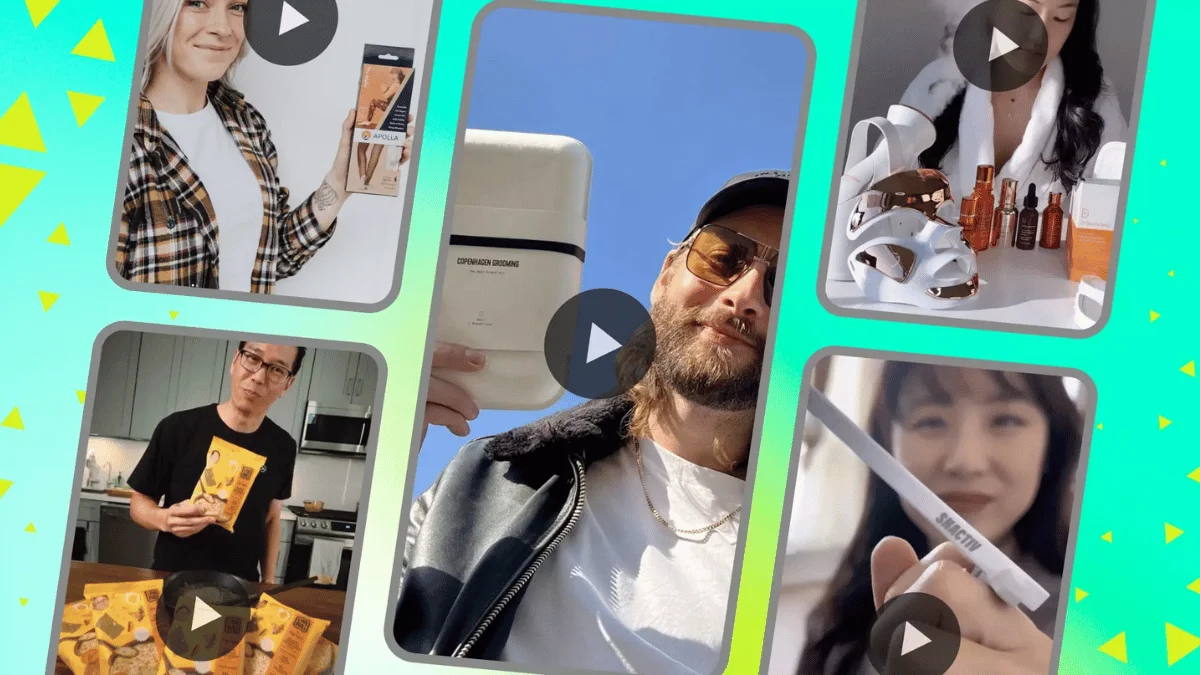
Storytelling video marketing can grab viewers’ attention
What Tips We Can Learn from Successful Video Marketing Cases
How to tell a story in a marketing video follows repeatable patterns: emotional hooks, strong visuals, clear pacing, and simplicity. These 10 tips are grounded in campaigns that delivered measurable results.
Tip 1: Start with Emotion, Not Product
Emotions are the fastest way to connect. Leading with humor, fear, or empathy captures attention and makes the message memorable.
Launched in 2012, Dumb Ways to Die by Metro Trains Melbourne used dark humor and a catchy song to promote railway safety to young people. Instead of fear-based messaging, it turned safety tips into fun, shareable content across video, games, and social media. The campaign went viral with over 225 million views, $60 million in earned media, and a 21% drop in train-related accidents, far exceeding its goals. It also won 5 Grand Prix at Cannes Lions 2013, setting a new standard for public safety storytelling.
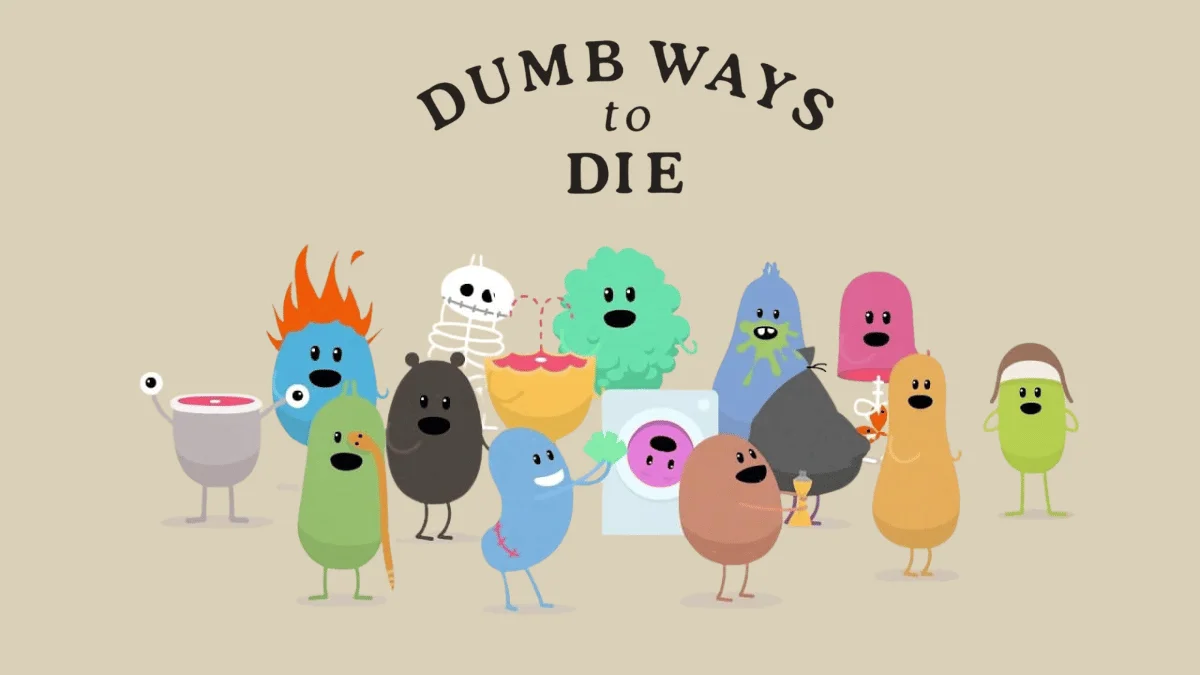
Viral videos of Metro Trains Melbourne show catchy visuals that entertain viewers
Tip 2: Keep It Simple – Let Visuals Speak
You don’t need a complex plot or a long script to tell a good story. Visual languages, such as facial expressions, motion, and strong imagery, can communicate more than dialogue.
Coca-Cola’s “Masterpiece” ad utilizes AI-powered animation to bring famous artworks to life, crafting a visually rich narrative without the need for dialogue. By combining human creativity with AI techniques like stable diffusion and style transfer, the ad evokes emotion and curiosity, leading to over 3.7 million views in its first month and high scores in brand recall and emotional impact.
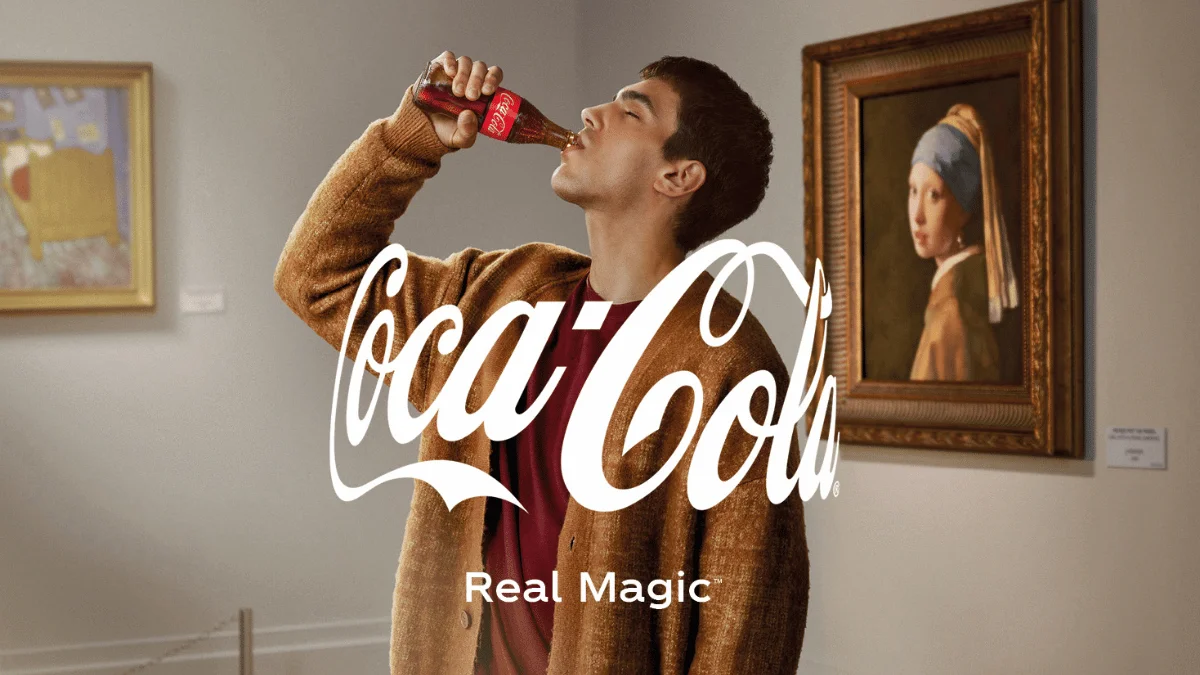
A Coca-Cola’s “Masterpiece” Ad video using movement and music has reached 4 million views
Tip 3: Harness Music and Pacing for Impact
Music drives mood while editing pace controls energy. Both are powerful storytelling tools. The right soundtrack and tempo can shift how people feel and how long they watch.
One of the best examples of storytelling video marketing is John Lewis Holiday Commercials. Each year, these UK-based holiday ads rely heavily on song choices and subtle tempo shifts to create emotional highs and lows. They often avoid dialogue altogether, letting music tell the story. This approach builds sentimental value, helping the audience form a deep emotional connection with the brand.
>> Read more: How to Choose the Best Theme Music for Real Estate Videos
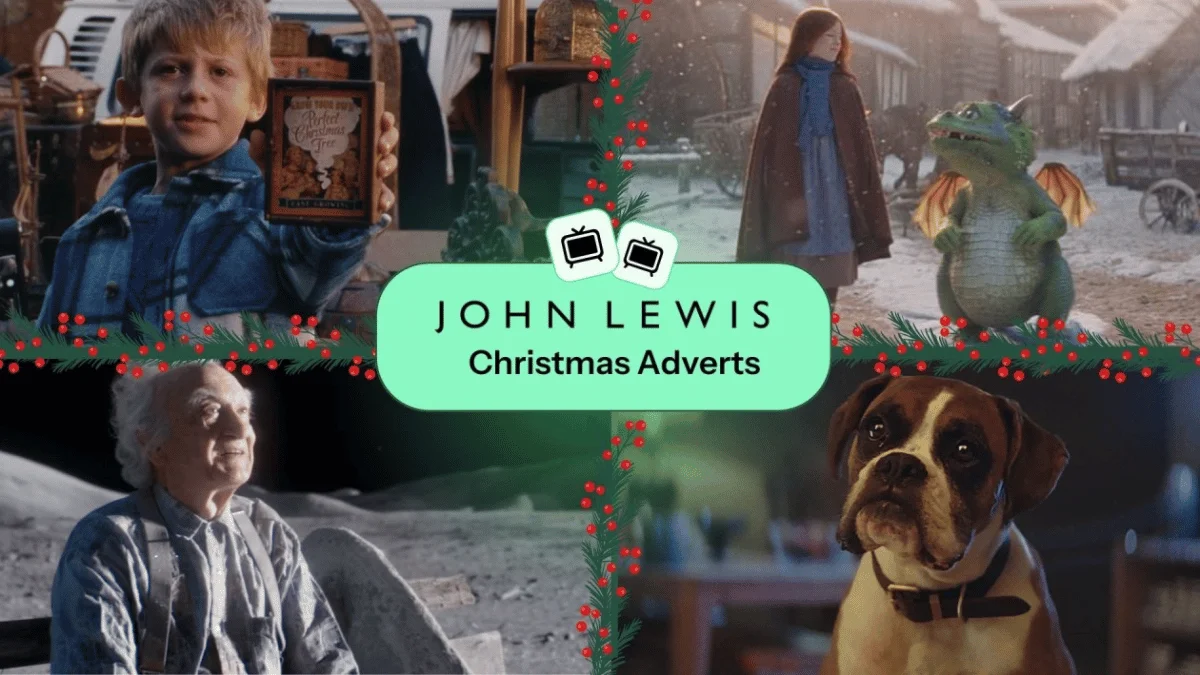
John Lewis Holiday Commercials rely on song choices and subtle tempo shifts to create emotion for people
Tip 4: Use Archetypes to Build Connection
People instinctively understand certain story patterns: the underdog, the champion, the warrior. These archetypes help viewers connect faster because the roles feel familiar and meaningful.
For example, Nike’s “You Can’t Stop Us” video uses the hero’s journey by spotlighting real athletes overcoming challenges. The storytelling combines high-energy visuals with themes of resilience and teamwork. The split-screen editing reinforces unity and shared purpose. By using well-known archetypes, Nike makes its message instantly relatable and powerful.
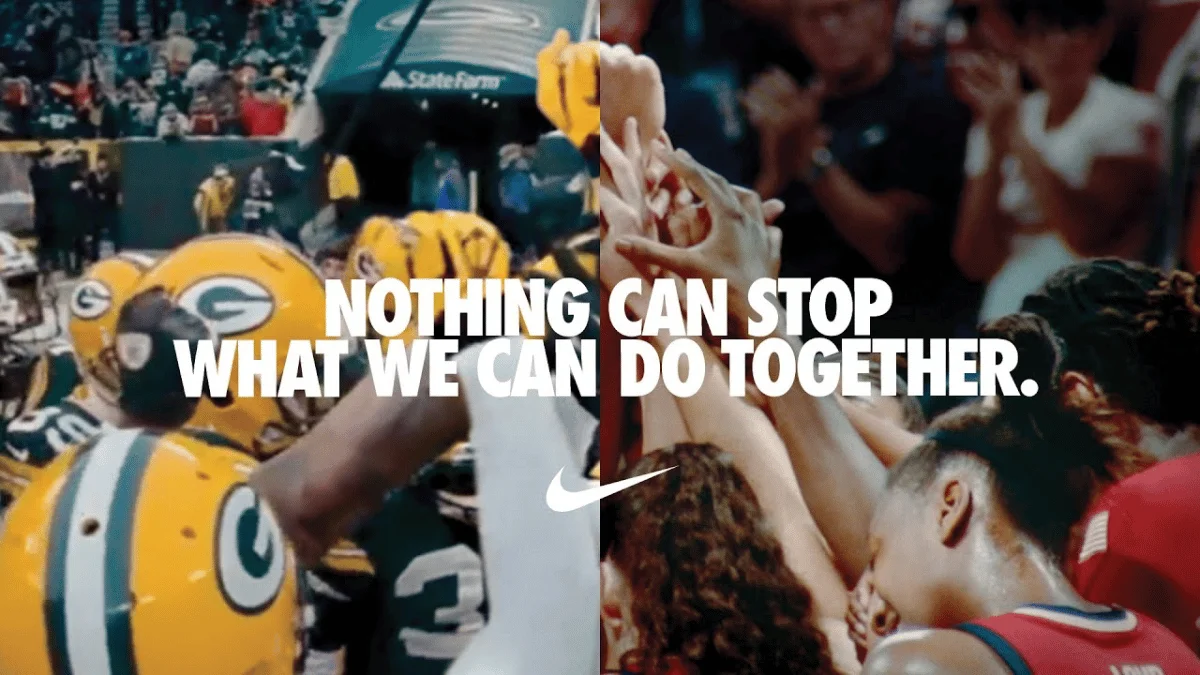
Nike’s “You Can’t Stop Us” video uses the hero’s journey by spotlighting real athletes overcoming challenges
Tip 5: Educate Without Preaching
Audiences are open to learning, but they don’t want to be lectured. Good storytelling video marketing should educate through scenarios, humor, or challenges, not just bullet points.
For instance, Duolingo has built a huge social following by making fun, quirky skits around language learning. Instead of explaining features, they show relatable moments, like struggling with pronunciation on a date or misusing words while traveling. These clips are informative, highly entertaining, and highly shareable, which makes them helpful for learners, especially young students.

Duolingo’s videos are informative, highly entertaining, and highly shareable
Tip 6: Hook Viewers Within 3 Seconds
Attention spans are short (about 3-5s) at the beginning. Without triggering the audience in the first few seconds, you can risk losing your audience, especially on TikTok, Instagram, and YouTube Shorts.
Here are the steps on how to do it:
- Use a bold visual, an unexpected moment, or a provocative statement right at the start.
- Avoid slow build-ups, and get to the core of the story immediately.
- Use large text overlays, dramatic sound effects, or quick cuts to stand out.
One particular case example is Nike’s “You Can’t Stop Us”. The video opens with a seamless split-screen effect of athletes in motion, perfectly synchronized. The visual is surprising and demands attention. This technique helped the video go viral almost instantly, generating over 40 million views in a few days.
>> Read more: The Complete Guide to Corporate Video Production
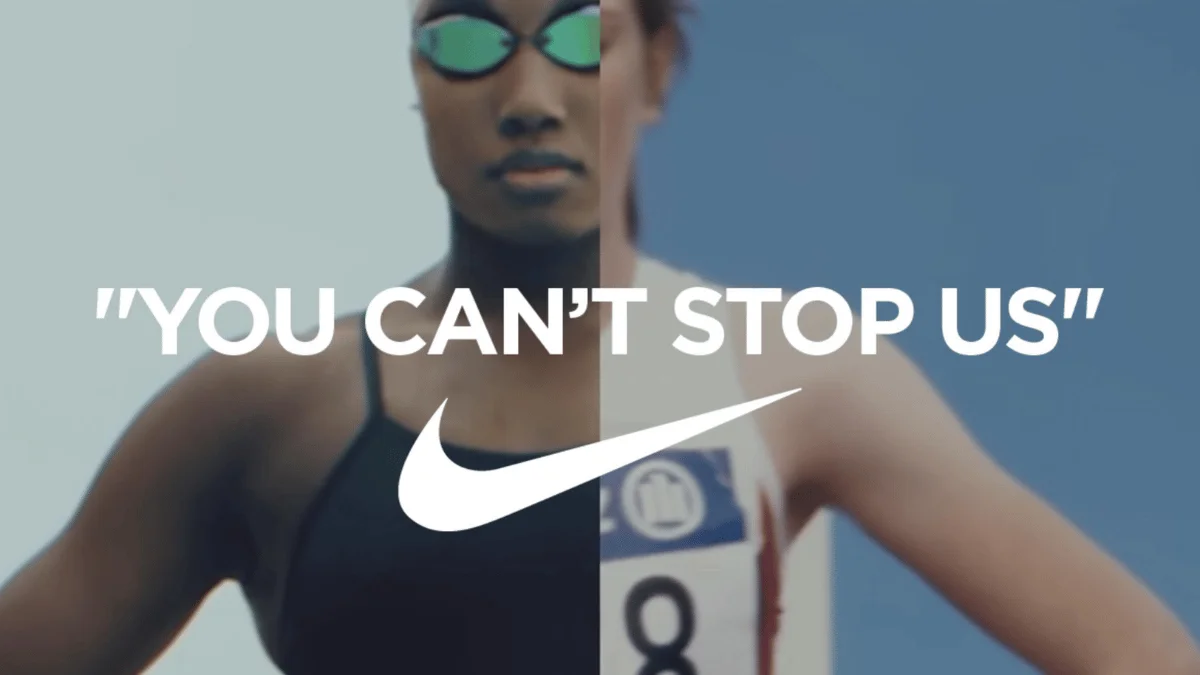
Nike’s “You Can’t Stop Us” opens with a seamless split-screen effect of athletes in motion
Tip 7: Use Looping and Bite-Sized Story Structures
Short-form storytelling video marketing works best when it feels complete, repeatable, and easy to watch again. Looping videos increases retention and fits the way people consume content now.
How to do it:
- End your video with a moment that naturally loops back to the beginning.
- Use short story segments (5–15 seconds) to fit a vertical scroll format.
- Include recurring hooks or themes across a series.
To illustrate, Tasty’s food videos often loop seamlessly from the final dish back to the first shot of ingredients. This design encourages rewatching and helps videos perform better in algorithm-driven feeds. The format is also practical and useful, making it easy for viewers to remember or follow along.
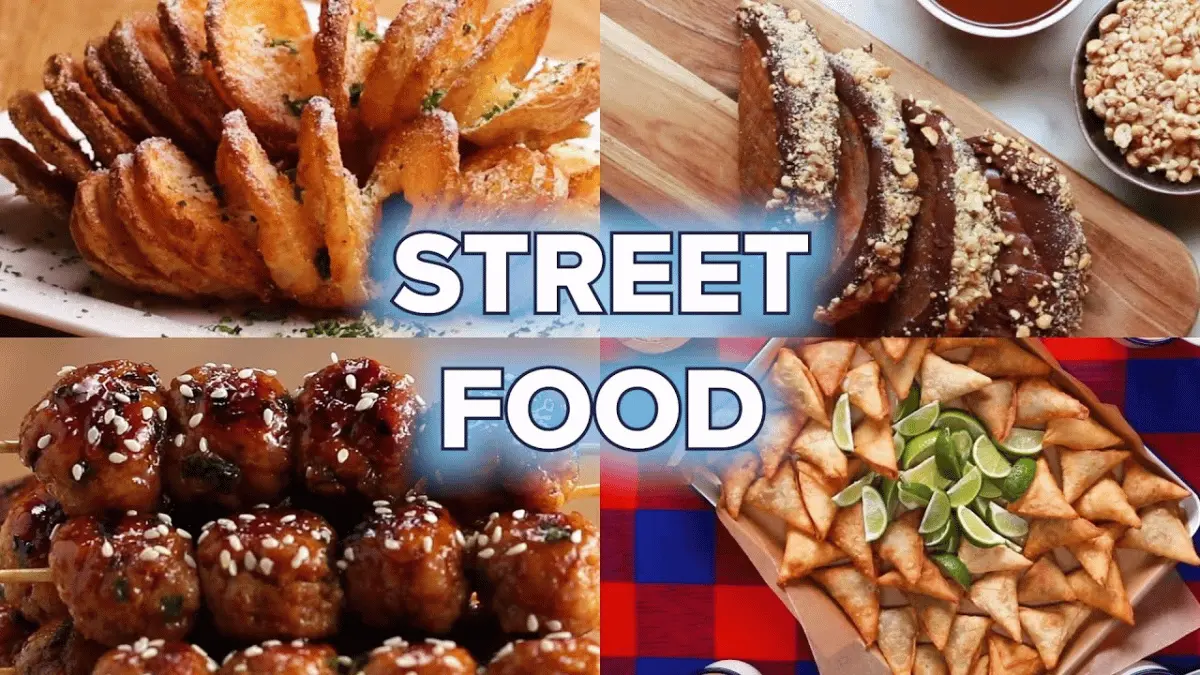
Tasty’s food videos often loop seamlessly from the final dish back to the first shot of ingredients
Tip 8: Match Platform Culture
Each platform has its own tone. What works on LinkedIn probably won’t work on TikTok. Tailoring your storytelling video marketing style to each platform helps your content blend naturally into users’ feeds.
On TikTok, Ryanair uses bold memes, Gen Z humor, and point-of-view jokes. On LinkedIn, the tone shifts to behind-the-scenes updates and sustainability messaging. Same brand, different storytelling style, and both feel native to their audiences.
>> Find out: Best Video Editing Apps for TikTok to Boost Your Corporate Content

Ryanair uses bold memes, Gen Z humor, and point-of-view jokes on TikTok
Tip 9: Repurpose the Story
A good story doesn’t have to live in just one place. Repurposing across formats extends reach and helps you get more value from each storytelling video marketing.
For example, Spotify took a simple user-driven concept, “Your Year in Music”, and expanded it into a multi-platform experience. Here are some cases:
- TikTok and Instagram Reels: short, funny clips based on user stats
- Twitter/X: teasers and visuals
- YouTube: full-length ads showing real fan reactions
This flexible approach lets one strong concept connect with audiences across every major channel.
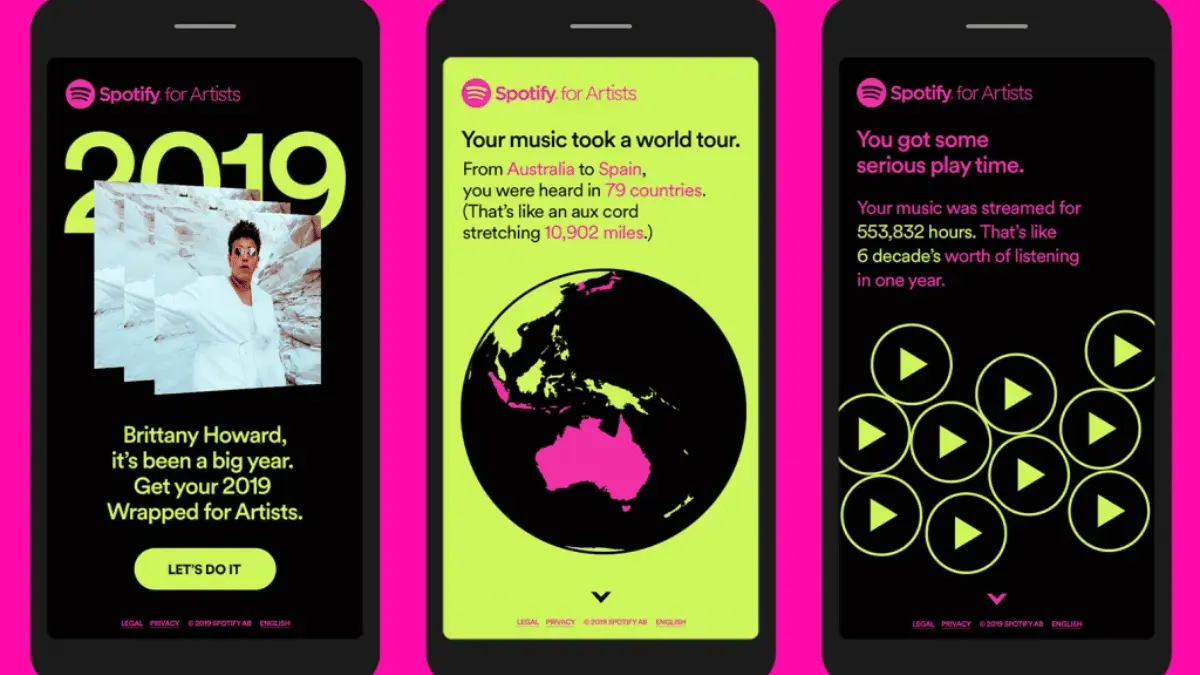
Spotify took “Your Year in Music” and expanded it into a multi-platform experience
Tip 10: Invest in Post Production
No matter how strong your story is, poor editing can ruin it. Post-production is where your pacing, music, graphics, and effects come together to elevate the content from good to great.
>> Learn more: Top 7 Reasons to Outsource Video Editing for Better Results

Post-production is crucial to elevate the content from good to great
Storytelling Video Trends to Watch in 2026
A winning narrative arc or an emotional trigger follows a clear pattern. Your viewer starts as the ordinary hero, faces a challenge, and discovers how your brand offers transformation. Here are some trendy brand storytelling video examples to improve customer journey video:
| Trend | What It Is | Why It Matters | Example Brands |
|---|---|---|---|
| Short-Form Vertical Video | 15-60 second vertical narratives optimized for mobile | Dominates TikTok, Instagram Reels, YouTube Shorts; higher completion rates | Duolingo, Ryanair |
| AI-Generated B-Roll | Artificial intelligence creates supporting footage and visuals | Reduces production costs while maintaining visual quality and consistency | Coca-Cola’s “Masterpiece” |
| Interactive Video Storytelling | Viewers click, choose, or swipe to influence narrative direction | Increases video engagement time and creates memorable, personalized experiences | Netflix interactive specials, YouTube choose-your-adventure formats |
| Documentary-Style Brand Stories | Authentic, behind-the-scenes footage showing real processes and people | Builds brand authenticity and emotional trust with audiences | Patagonia, Dollar Shave Club |
| 360-Degree and VR Storytelling | Immersive video experiences that place viewers inside the narrative | Creates unmatched emotional engagement and memorable brand experiences | BMW, high-end tourism brands |
Want your next video to stand out with better cuts, smoother sound design, or more elegant animation? Get a free trial of post-production consulting tailored to your industry, or contact us today with Innovature Studio to explore professional video storytelling tips 2026elevate your brand’s storytelling video marketing across all platforms.